

What Makes a Ramadan Tent Different from a Standard Event Tent?
A standard event tent and a Ramadan tent can be structurally identical — the same frame, the same PVC fabric, the same anchoring system. The difference lies in configuration, interior dressing, and the specific operational requirements of Ramadan event use. Ramadan events typically involve sequential, high-volume seated dining — Iftar begins at sunset and large numbers of guests need to be served in a defined time window before evening prayers. This means the tent needs to be configured for efficient table service, with appropriate space between dining tables, clear pathways for service staff, and catering station positioning that does not create bottlenecks. These operational requirements shape the tent sizing and layout more than guest count alone. The interior aesthetic of a Ramadan tent is also more defined than a generic event space.
Traditional lanterns, crescent and star motifs, rich fabric drapery in burgundy, gold, and deep green, and warm lighting that creates the specific intimate atmosphere of Ramadan hospitality — these are expectations that guests bring to the experience and that the tent interior needs to deliver. Finally, Ramadan tent setups operate on compressed timelines. The month is fixed by the Islamic calendar, and preparation time is limited. A supplier who cannot deliver, install, and hand over a tent structure within the days available before Ramadan begins is not a viable Ramadan tent partner regardless of product quality. We have managed Ramadan tent installations on these compressed timelines for years and understand what reliable execution looks like.
Ramadan Tent Applications in Dubai — Who Uses Them and How
The Dubai Ramadan tent market is one of the most active tent procurement segments in the country, and the buyer types are varied. Hotels and resorts compete on the quality and atmosphere of their Ramadan tent experiences — a well-designed Iftar tent that looks genuinely special and operates efficiently fills seats and generates significant revenue through the month. The tent structure itself is a central part of this competitive product. Corporate clients use Ramadan tents to create hospitality experiences for staff and clients that reflect the cultural significance of the month. These installations are typically more modest in scale than hotel operations but need to be executed to a standard appropriate for professional and client-facing contexts.
Community and charitable iftars — which are a central feature of Ramadan in the Dubai — often operate from donated or subsidized tent structures. We work with community organizations and charitable foundations on tent supply that meets their budget constraints while delivering the appropriate scale and atmosphere for gatherings that can run to several hundred guests. Family and residential Ramadan tent setups are a growing segment — households that want a dedicated outdoor Ramadan gathering space for extended family Iftars and neighborhood hospitality. These are typically smaller configurations — 6×9 or 8×12 meter frame or marquee structures — that fit in residential gardens and compound spaces.
Ramadan Tent Specifications and Configurations
Our Ramadan tent range covers the following options:
- Typical sizes: 6x9m (seats 40-60), 8x12m (seats 80-120), 10x15m (seats 120-180), 10x20m (seats 180-250), larger custom configurations on request
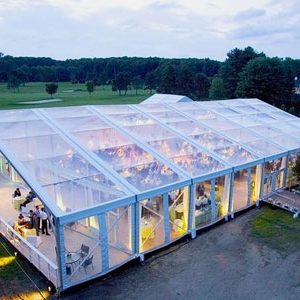
- Structure types: Alpine marquee (peaked roofline, formal aesthetic), frame tent (flat or low pitched, modular), clear frame (natural light, premium)
- Fabric: 650 GSM UV-stabilized PVC — white standard, ivory, cream, or custom
- Interior lining: Traditional fabric lining systems in burgundy, gold, or cream — complete interior transformation
- Flooring: Carpet, wooden flooring system, or vinyl over frame
- Lighting: Chandelier and pendant suspension points from frame apex; LED perimeter pelmet lighting
- Sidewalls: Solid, clear window, or cathedral window configurations
- HVAC: Inlet and outlet ports in sidewall panels — essential for Ramadan 2027 which falls in warmer months
- Catering configuration: Side-mounted service access, pass-through window options
- Decorative elements: Traditional Ramadan lantern-style external lighting, crescent and star decorative finials (optional)
Ramadan Tent Buyers We Serve in Dubai
We have supplied Ramadan tent structures to the following types of clients across the Dubai:
- 5-star hotels and resorts: Ramadan F&B experiences that compete for premium Iftar and Suhoor bookings. These setups require full interior dressing, premium flooring, and HVAC.
- Restaurants and F&B operators: Outdoor Ramadan extension structures that allow restaurants to serve significantly more covers during the holy month.
- Corporate campuses and office parks: Staff and client Iftar facilities that reflect cultural sensitivity and provide a genuine hospitality experience.
- Mosques and community centers: Large-capacity charitable Iftar structures — typically the largest individual tent configurations we deploy each season.
- Schools and universities: Community Iftar events for student bodies and faculty.
- Private families and compounds: Residential Ramadan gathering spaces for extended family Iftars and neighborhood hospitality.
- Government and official bodies: National Day, Ramadan, and Eid official hospitality tent structures.
Planning Your Ramadan Tent Purchase — Key Considerations
Book Early — Ramadan Tent Capacity Is Limited Every Year : The Ramadan tent market in Dubai is heavily front-loaded. Most serious buyers confirm their orders months before the holy month begins. By the time Ramadan is three to four weeks away, installation slots are significantly constrained. If you are planning a Ramadan tent installation for 2027, the right time to enquire is September or October 2026. We maintain a waiting list for confirmed Ramadan clients and priorities returning customers from previous years.
Sizing for Ramadan — Allow for Service Circulation : The standard rule of 1.8 square meters per seated guest applies at minimum, but Ramadan Iftar service places higher demands on floor space than a conventional dinner because of the concentrated serving window and the volume of food being moved through the space. We recommend 2.2-2.5 square meters per guest for Iftar configurations and slightly less for Suhoor, which typically has lighter service demands. Do not undersize — a crowded Ramadan tent creates a poor guest experience regardless of how beautifully it is decorated.
HVAC for Ramadan 2027 and Beyond : Ramadan’s position in the Gregorian calendar moves approximately 11 days earlier each year. By 2027-2028, Ramadan will fall in late winter and early spring — conditions where evening temperatures are comfortable without climate control. By the early 2030s, it will have moved into summer territory again. If you are buying a Ramadan tent for long-term use, specifying HVAC compatibility now ensures the structure remains usable as the calendar shifts.
Frequently Asked Questions
Q1. When should I order a Ramadan tent in Dubai?
A. For Ramadan 2027, we recommend placing your enquiry no later than November 2026. Installation slots in the weeks immediately before Ramadan fill quickly, particularly for larger hotel and community setups that require significant installation time and interior dressing. Early booking also ensures you get the configuration you want rather than adapting to what is available.
Q2. What size Ramadan tent do I need for 100 guests?
A. For 100 Iftar guests in a standard seated dinner configuration with a service area and catering station, we recommend a minimum 8×15 meter footprint — approximately 120 square meters. If you are adding a stage, performance area, or live cooking station, add 20-30 square meters for each. Contact us with your full event brief and we will provide an accurate sizing recommendation.
Q3. Can Ramadan tents be decorated with traditional motifs?
Yes. We offer interior lining systems in traditional Ramadan colors and fabrics, chandelier suspension from the tent apex, LED lantern-style external lighting, and decorative finial and valance options. We can also coordinate with event dressing companies if you want a fully styled Ramadan interior that goes beyond our standard offering.
Q4. How long does Ramadan tent installation take?
A. A standard 10×15 meter Ramadan tent with interior lining and flooring typically requires one to two full working days for installation and dressing. We schedule installation in the days immediately before Ramadan begins and work to a confirmed handover timeline. Contact us early to confirm your preferred installation window.
Book Your Ramadan Tent in Dubai — Enquire Early
Tell us your guest count, event type, and preferred setup date. We will recommend the right size, provide a full quote, and confirm availability for your installation window.
WhatsApp: +971 56 291 7664 | Email: info@campingtents.ae | Seven days a week.